


How AI Compliance Tools Are Changing Regulated Industries
As industries continue to evolve, AI development services are at the forefront of driving innovation, particularly in areas where precision and compliance are critical. One of the most transformative applications of artificial intelligence is in regulatory compliance, a space where companies must constantly adapt to shifting laws and guidelines. As regulations become more complex and penalties for non-compliance more severe, businesses operating within regulated industries are turning to AI to streamline their compliance efforts.
This is where AI compliance tools step in offering smart, efficient solutions to automate compliance processes, manage risks, and streamline regulatory adherence. In this blog, we’ll explore how AI is revolutionizing compliance in industries such as finance, healthcare, and legal sectors. We’ll also discuss how AI-powered tools are shaping the future of regulatory processes and the challenges and opportunities they bring.
Understanding AI Compliance Tools
Before we dive deeper, let’s first define what AI compliance tools are. These are software solutions powered by artificial intelligence, designed to assist businesses in adhering to regulations in their respective industries. AI tools enable organizations to automate compliance tasks, identify potential risks, and ensure they stay up-to-date with the constantly changing regulatory landscape.
From data protection to anti-money laundering (AML) practices, AI-driven compliance tools offer an efficient, scalable way to handle legal and regulatory obligations. They combine machine learning, natural language processing (NLP), and big data analytics to process vast amounts of information, detect patterns, and predict potential compliance issues.
The Need for AI in Regulated Industries
Regulated industries like banking, insurance, healthcare, and legal tech face immense pressure to maintain strict regulatory compliance. In the past, these industries had to rely on manual processes, often leading to human errors, delayed reporting, and higher operational costs. This is where AI comes into play ushering in a new era of efficiency, transparency, and reliability in compliance management.
Key Drivers of AI Adoption in Regulated Industries:
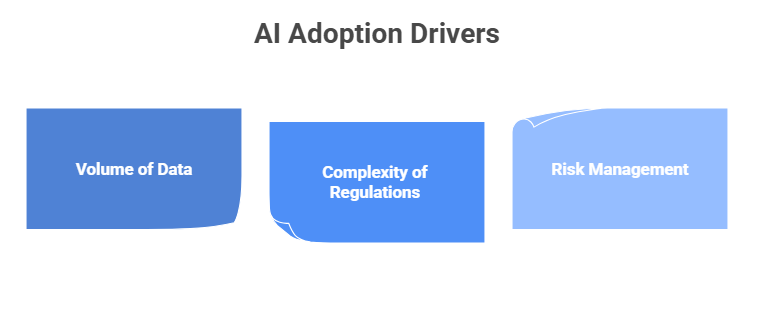
- Volume of Data: Regulatory bodies require organizations to process and report large amounts of data. Traditional systems struggle to keep up, but AI-powered tools can handle this data overload effortlessly, improving speed and accuracy.
- Complexity of Regulations: Regulatory requirements are constantly changing, and organizations must keep up with these shifts to avoid penalties. AI tools help by scanning, interpreting, and adapting to new rules quickly, ensuring compliance at all times.
- Risk Management: AI helps businesses detect non-compliance early, reducing the risk of fines, legal action, and reputational damage. AI models can also help organizations make proactive decisions to mitigate compliance-related risks.
The Impact of AI Compliance Tools on Key Sectors
1. AI in Financial Services
The financial sector is one of the most regulated industries in the world, with institutions required to adhere to strict rules regarding everything from data protection to anti-money laundering (AML) protocols. AI compliance tools have revolutionized how financial firms monitor transactions, detect fraud, and ensure compliance with international laws.
For instance, AI models can automatically monitor financial transactions in real-time, flagging any suspicious activities that might indicate fraud or money laundering. By automating these processes, financial institutions can drastically reduce manual errors and improve their risk management strategies.
2. Healthcare Industry and Compliance
In the healthcare sector, regulatory frameworks such as HIPAA (Health Insurance Portability and Accountability Act) in the U.S. mandate strict guidelines for handling patient data. Non-compliance can result in severe penalties, and data breaches can severely harm a healthcare provider’s reputation.
AI compliance tools are used to automate the tracking and reporting of patient data, ensuring all records are compliant with health regulations. These tools also help detect any discrepancies or potential security threats in real-time, reducing the risk of violations and protecting patient privacy.
3. Legal Tech and Regulatory Compliance
The legal industry is experiencing a digital transformation, with legal tech tools powered by AI becoming essential in navigating the complexities of law. From contract analysis to discovery processes, AI tools can reduce manual workload while improving accuracy and speed.
For instance, AI-driven contract review tools help law firms and corporate legal departments comply with legal regulations by automatically scanning contracts for compliance issues, identifying potential risks, and flagging critical clauses. This significantly reduces the time spent on manual reviews and minimizes the chances of overlooking important compliance elements.
Benefits of AI Compliance Tools
Benefit | Description |
Increased Efficiency | AI tools automate time-consuming compliance tasks such as data entry, report generation, and monitoring, allowing companies to focus on higher-value activities. |
Reduced Human Error | AI models use algorithms and predefined rules, significantly minimizing the chances of human errors in compliance processes. |
Scalability | As businesses grow, the complexity of compliance requirements increases. AI tools can easily scale with the business, adapting to new regulations or expanding operations without overwhelming the compliance team. |
Cost Savings | By reducing manual efforts and minimizing errors, AI compliance tools save businesses money in both operational costs and potential fines or penalties from non-compliance. |
Overcoming Challenges in AI Compliance
Despite the numerous benefits, integrating AI compliance tools into regulated industries is not without its challenges:
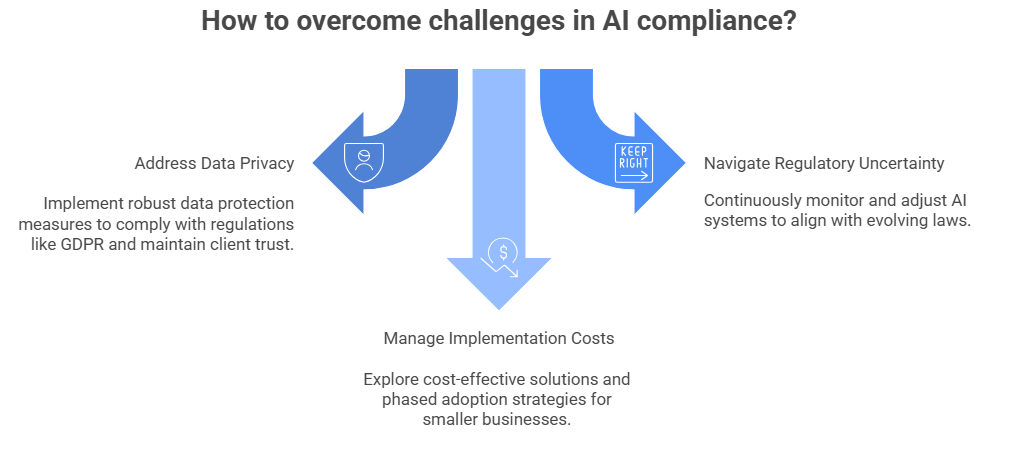
- Data Privacy Concerns: In industries like healthcare and finance, data privacy is a paramount concern. Ensuring AI tools comply with data protection regulations like GDPR (General Data Protection Regulation) is essential to maintaining trust with clients and customers.
- Regulatory Uncertainty: Regulations regarding AI are still evolving. Companies must ensure that their AI systems comply with existing laws while anticipating future changes. This can require continuous monitoring and adjustment of AI tools.
- Implementation Costs: While AI tools provide long-term savings, the initial investment can be high. Smaller businesses in regulated sectors may struggle with the upfront costs of AI adoption.
Final Thoughts: The Future of AI in Regulatory Compliance
AI compliance tools are poised to reshape the future of regulated industries. As automation, risk management, and regulatory compliance become more sophisticated, businesses will increasingly rely on AI-driven solutions to navigate the complexities of the regulatory landscape.
However, successful AI adoption requires careful planning, ongoing management, and collaboration between technology providers, legal experts, and compliance officers. At App Maisters, we specialize in providing AI development services that help organizations integrate AI compliance tools tailored to their specific needs. Our AI-driven solutions empower businesses to stay ahead of the curve, ensuring compliance while minimizing risk.
By embracing AI in compliance processes, businesses can not only meet regulatory standards but also unlock new efficiencies and growth opportunities in the process.
FAQs
What are AI compliance tools and how do they work?
AI compliance tools help businesses automate regulatory tasks using machine learning and data analytics. They streamline compliance, reduce errors, and keep companies up-to-date with changing regulations. App Maisters provides tailored AI solutions to enhance compliance efforts.
How can AI tools improve compliance in regulated industries?
AI tools automate manual tasks like data monitoring and report generation, improving accuracy and efficiency. They help businesses stay compliant and minimize the risk of penalties. App Maisters helps implement AI solutions to optimize compliance processes.
What are the key benefits of using AI for regulatory compliance?
AI boosts efficiency, reduces errors, scales with growth, and saves costs. It helps businesses stay compliant while minimizing fines. App Maisters offers AI-powered compliance tools that drive better results and reduce risk.
Which industries benefit most from AI compliance tools?
Industries like finance, healthcare, and legal tech benefit the most from AI compliance tools, as they face strict regulatory requirements. App Maisters provides AI solutions to help businesses in these sectors stay compliant and efficient.
Can AI compliance tools help businesses reduce the risk of fines?
Yes, AI tools track regulations in real-time, automating compliance and preventing costly fines. App Maisters helps businesses implement AI solutions that proactively minimize compliance risks.
How do AI tools handle data privacy and security in regulated industries?
AI tools ensure data privacy by using encryption and real-time threat detection, complying with regulations like GDPR. App Maisters ensures AI solutions are secure, protecting sensitive data while maintaining compliance.
What challenges do companies face when adopting AI compliance tools?
Challenges include high implementation costs, data privacy concerns, and regulatory changes. App Maisters helps businesses overcome these challenges with expert AI solutions designed for long-term compliance.